

Every online order sets off the same chain of tasks: find the right item, check it, pack it safely and get it ready for delivery. When order volumes are small, many business owners handle this themselves. As sales grow, pick and pack services in Dubai become a practical way to keep orders accurate without tying up your own team.
This article explains how pick and pack works step by step, the accuracy practices that separate a well-run operation from a messy one, and packing tips that reduce damage and returns. It is written for e-commerce sellers, marketplace sellers, retailers and distributors across the UAE.
What are pick and pack services in Dubai?
Pick and pack is the part of fulfilment where individual orders are prepared in the warehouse. “Picking” means collecting the ordered items from their storage locations. “Packing” means checking those items, placing them in suitable packaging and labelling the parcel for dispatch.
When you use a third-party logistics (3PL) provider, your stock is stored in their warehouse and their team prepares each order as it comes in. You focus on selling, marketing and customer service, while the provider handles the physical work. Pick and pack is usually one part of a wider e-commerce fulfilment service that also covers receiving, storage, hand-over for delivery and returns.
How the pick and pack process works, step by step
The details vary between providers, but a well-organised operation generally follows the same flow.
1. Receiving and put-away
Pick and pack accuracy starts long before an order arrives. When stock is delivered, it is counted, checked against the expected quantities and scanned into the system. Each item is then put away into a known storage location, so it can be found quickly later.
2. Order received
Orders arrive from your online store, a marketplace or by file. Each order lists the SKUs and quantities to be picked, along with the delivery details.
3. Picking
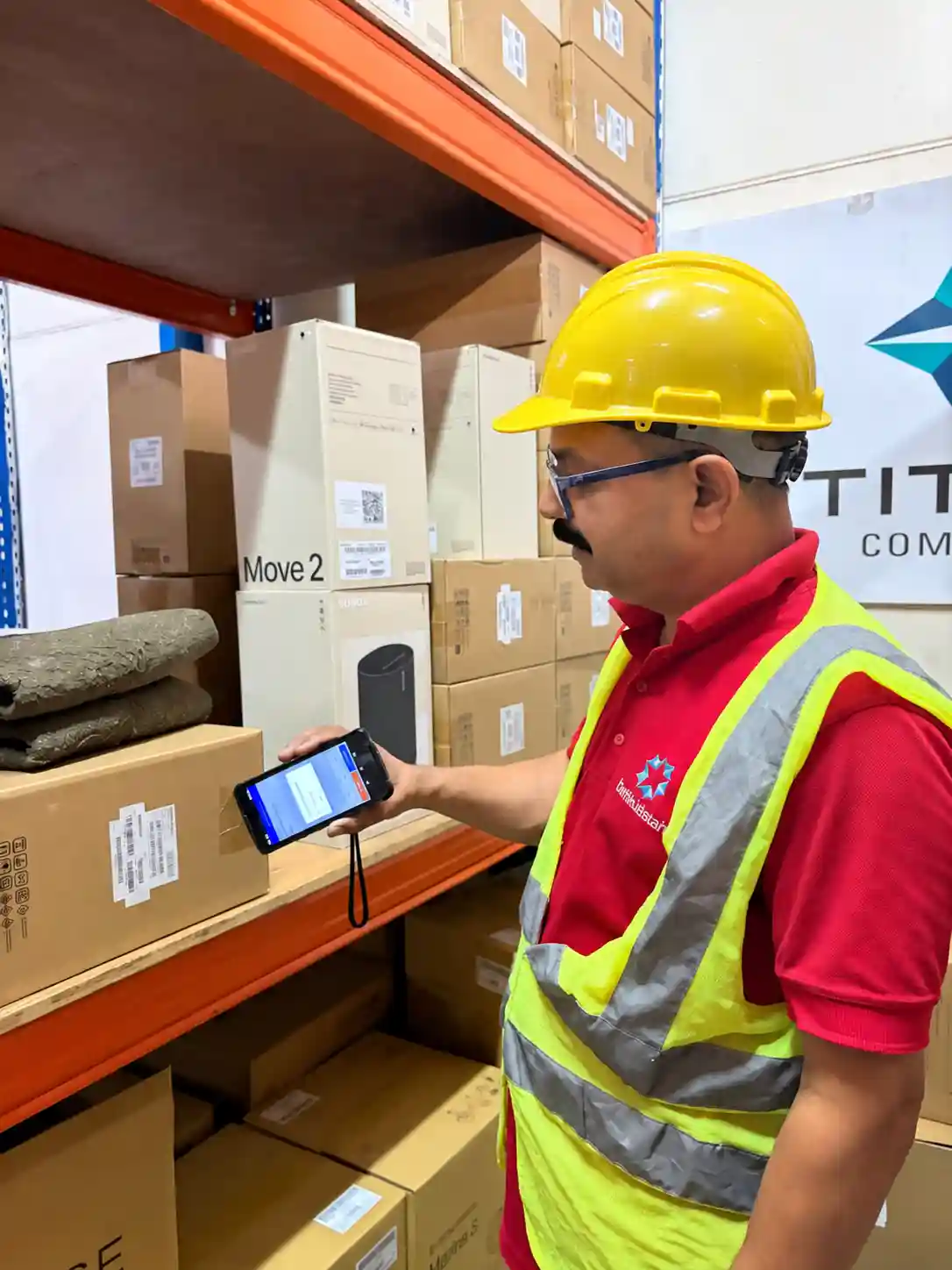
A picker goes to the storage location, collects the items and scans them to confirm they match the order. Depending on volumes, orders may be picked one at a time or grouped together so the team can collect items for several orders in a single pass.
4. Checking
Before packing, the items are checked again against the order: correct product, correct variant (size, colour, scent) and correct quantity. This step catches mistakes before they reach a customer.
5. Packing and labelling
The order is packed in suitable packaging with protective fill where needed, any inserts are added, and the parcel is labelled for delivery.
6. Hand-over for delivery
Packed orders are handed over for delivery, either to a courier or on the provider’s own vehicles. Tracking details then flow back to you or your customer.
7. Returns
Returned parcels are received, inspected and either put back into sellable stock or set aside, so your inventory figures stay accurate.
Accuracy practices that keep orders right
Wrong items, missing items and mixed-up variants are the most common pick and pack problems. They are also among the most expensive, because each mistake can mean a refund, a return delivery, a replacement and an unhappy customer. These practices help prevent them:
- Barcode scanning at every stage. Scanning at receiving, put-away and picking means the system confirms each step instead of relying on memory or handwriting.
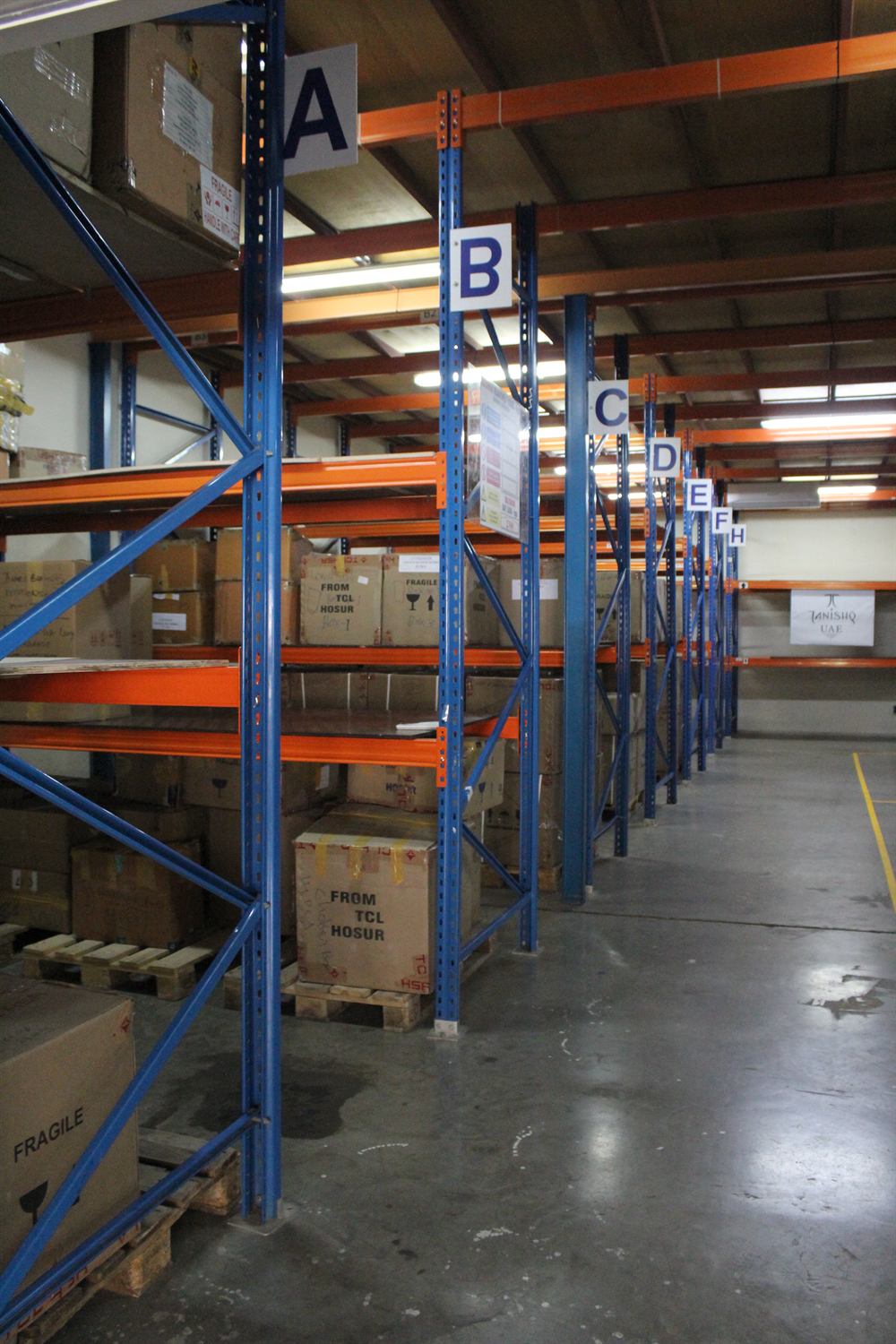
- Organised, labelled locations. Every SKU should have a clear home. Similar-looking variants are easier to tell apart when they are stored and labelled separately.
- Clean product data. Each SKU needs its own barcode, a clear name and the right variant details. Duplicated or missing barcodes cause errors downstream.
- A dedicated check step. A second look before packing catches mistakes that slipped through picking.
- Regular stock counts. Counting locations on a rolling basis finds discrepancies early, before they turn into failed orders.
Strong inventory management underpins all of these, which is why it is worth asking any provider how they control stock as well as how they pack it.
Packing tips for e-commerce and marketplace orders
Good packing protects your products and your reputation. A few simple rules make a noticeable difference:
- Right-size the packaging. Oversized boxes let products move around; undersized ones crush them. Keep a small range of carton and mailer sizes that fit your common orders.
- Protect fragile items. Glass bottles, perfumes, electronics and cosmetics need protective fill and, where relevant, sealing to prevent leaks.
- Plan for the climate. In the UAE, consider how heat may affect sensitive products during delivery and choose packaging accordingly.
- Standardise bundles and kits. If you sell gift sets or multi-item offers, agree a fixed packing method so every customer receives the same thing.
- Add the right inserts. Invoices, return instructions or thank-you cards should be agreed in advance so they are included consistently.
- Follow marketplace requirements. Amazon.ae and Noon have their own packaging and labelling rules, and these change over time. Always check the latest guidance in Seller Central or the Noon seller portal.
If you need bundling, repacking or extra labelling, these are typically handled as value-added logistics services alongside standard pick and pack.
In-house vs outsourced pick and pack
Whether to keep fulfilment in-house or outsource it depends on your volumes, space and team. Here is how the two options generally compare:
| Factor | In-house pick and pack | Outsourced to a 3PL |
|---|---|---|
| Space | You rent and manage your own storage | Stock held in the provider’s warehouse |
| Staff | You hire, train and manage the team | Provider’s trained team handles orders |
| Systems | You set up scanning and stock records | Provider’s processes and scanning in place |
| Peaks | Extra staff and space needed at short notice | Provider plans for changing volumes |
| Control | Direct, hands-on oversight | Managed through reports and communication |
For a closer look at the full order journey, see our step-by-step guide to e-commerce fulfilment in the UAE.
Getting started with a pick and pack provider
Before you move stock to a 3PL, prepare the information a provider will need to set up your account smoothly:
- A SKU list with product names, barcodes and variant details
- Typical monthly order volumes and any seasonal peaks
- Your sales channels — your own store, Amazon.ae, Noon or B2B customers
- Packaging preferences, inserts and any bundle rules
- Returns handling instructions
At Enthusiasm 3PL, we have operated as a warehousing company in Al Quoz Industrial Area 2 since December 2016. Our pick and pack service in Dubai covers picking, packing, labelling, hand-over for delivery and returns support, with barcode scanning at receiving, put-away and picking. We also support Amazon.ae and Noon sellers with product and carton preparation as an independent 3PL. Onboarding follows a simple path: inquiry, quotation, documentation, account setup and start.
Frequently asked questions
What is the difference between pick and pack and fulfilment?
Pick and pack is the order-preparation stage. Fulfilment is the wider process, which also includes receiving stock, storage, hand-over for delivery and returns.
Can a 3PL pack orders for Amazon.ae and Noon?
Yes. We help prepare products and cartons and coordinate fulfilment-centre appointments and dispatch. Enthusiasm 3PL is independent and not affiliated with Amazon or Noon, and marketplace requirements change, so always confirm the latest rules in the relevant seller portal.
How do pick and pack services in Dubai reduce errors?
Mainly through barcode scanning, organised storage locations, clean SKU data and a check step before packing. Together these make it much harder for the wrong item to leave the warehouse.
Do you handle returns?
Yes. Returned orders are received and inspected, and stock is handled according to your instructions so your inventory records stay up to date.
Final thoughts
Pick and pack services in Dubai take one of the most repetitive and error-prone parts of selling online off your hands. The difference between a good and a poor operation usually comes down to the basics: accurate receiving, organised locations, barcode scanning, a proper check step and sensible packing. Ask any provider how they handle each one before you move your stock.
Ready to hand over your order preparation? Share your SKU count, monthly orders and sales channels and we’ll prepare a tailored proposal. Request a quote.