

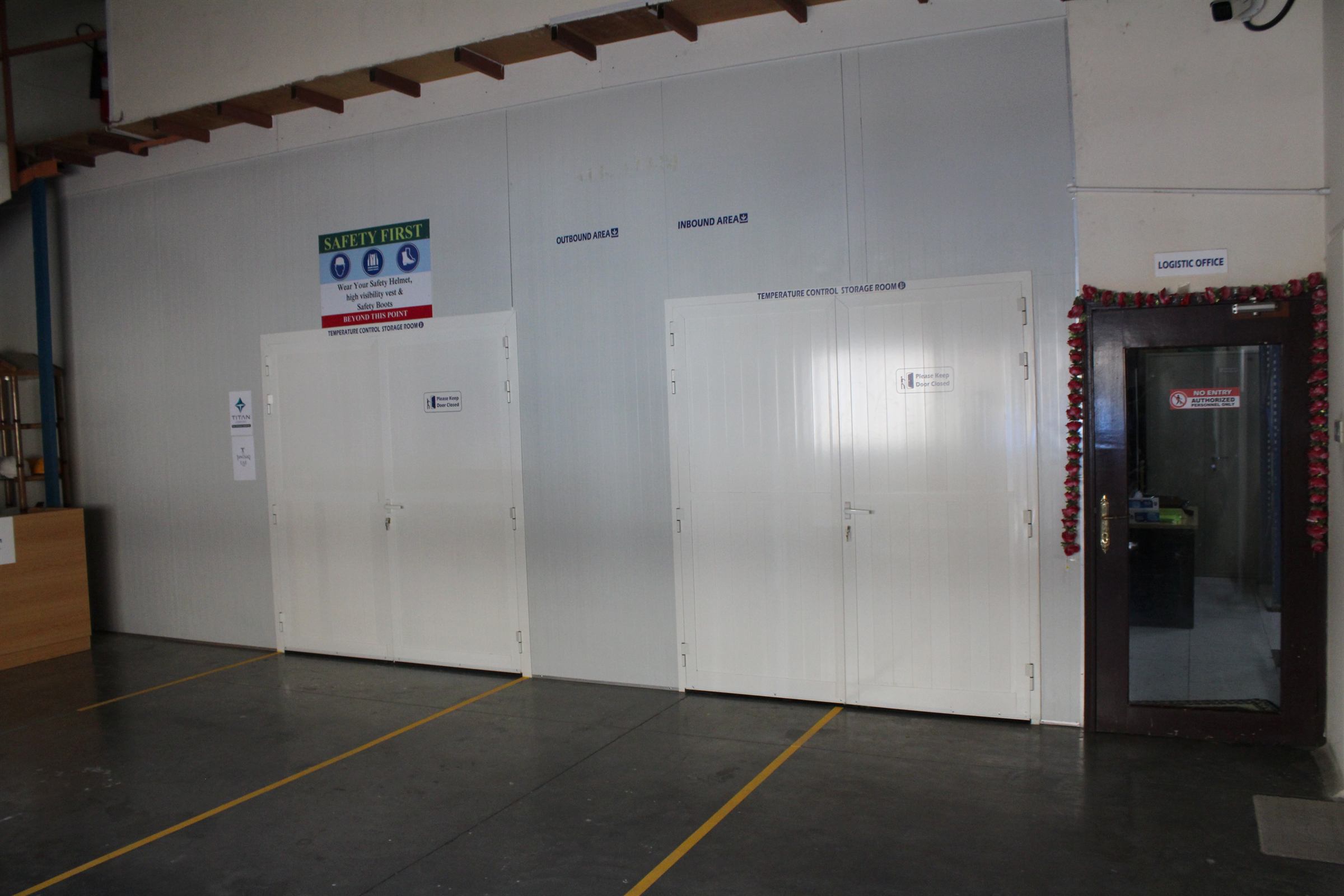
If you sell cosmetics, perfumes, supplements or certain electronics, the way your stock is stored matters as much as how quickly it ships. Temperature-controlled storage in Dubai gives sensitive products a more stable environment than a standard warehouse, which helps protect their quality while they wait to be sold.
This guide explains which product types tend to benefit, how controlled rooms differ from ambient storage, and the practical questions to ask before you choose a provider. It is written for importers, distributors, retailers and e-commerce sellers across the UAE.
Why temperature-controlled storage in Dubai matters
The UAE’s long, hot summers put real pressure on any product that is sensitive to heat or humidity. A standard warehouse protects stock from sun and rain, but conditions inside can still change with the seasons and the time of day.
For many goods that is not a problem. For others, repeated exposure to heat can change texture, scent, colour or performance. Packaging can warp, labels can lift and adhesives can fail. The product may still look fine on the shelf, yet arrive with a customer in a condition that leads to a complaint or a return.
Those costs add up quietly: refunds, replacement stock, return delivery, write-offs and, for online sellers, negative reviews that affect future sales. Controlled storage is a way of reducing that risk at the point where stock spends most of its time — sitting in the warehouse.
Which products benefit from controlled conditions?
There is no single list that fits every business, because the right storage depends on each product’s own requirements. As a general guide, these categories are the ones most often stored in controlled rooms:
Cosmetics and skincare
Creams, lotions, serums, lipsticks and similar items can separate, soften or change consistency when exposed to heat. Brands selling online are especially exposed, because a single poor-quality delivery often turns into a public review.
Perfumes and fragrances
Fragrances are valuable, and their character can be affected by heat and light over time. For perfume brands and distributors holding significant stock, stable storage helps protect the product customers are paying for.
Supplements and some packaged foods
Many supplements and packaged food items carry storage guidance on the label. Where the manufacturer recommends cool or controlled conditions, following that guidance in the warehouse is a sensible baseline. Food and health products may also have regulatory requirements, so check with the relevant authority before choosing where to store them.
Some electronics and batteries
Certain electronics, batteries and accessories have recommended storage conditions from the manufacturer. Controlled rooms can be useful for high-value items or stock that will be held for longer periods.
Candles, wax, adhesives and printed materials
Products that can soften, stick or deform in heat — and premium printed packaging or marketing materials — are also worth considering for controlled storage.
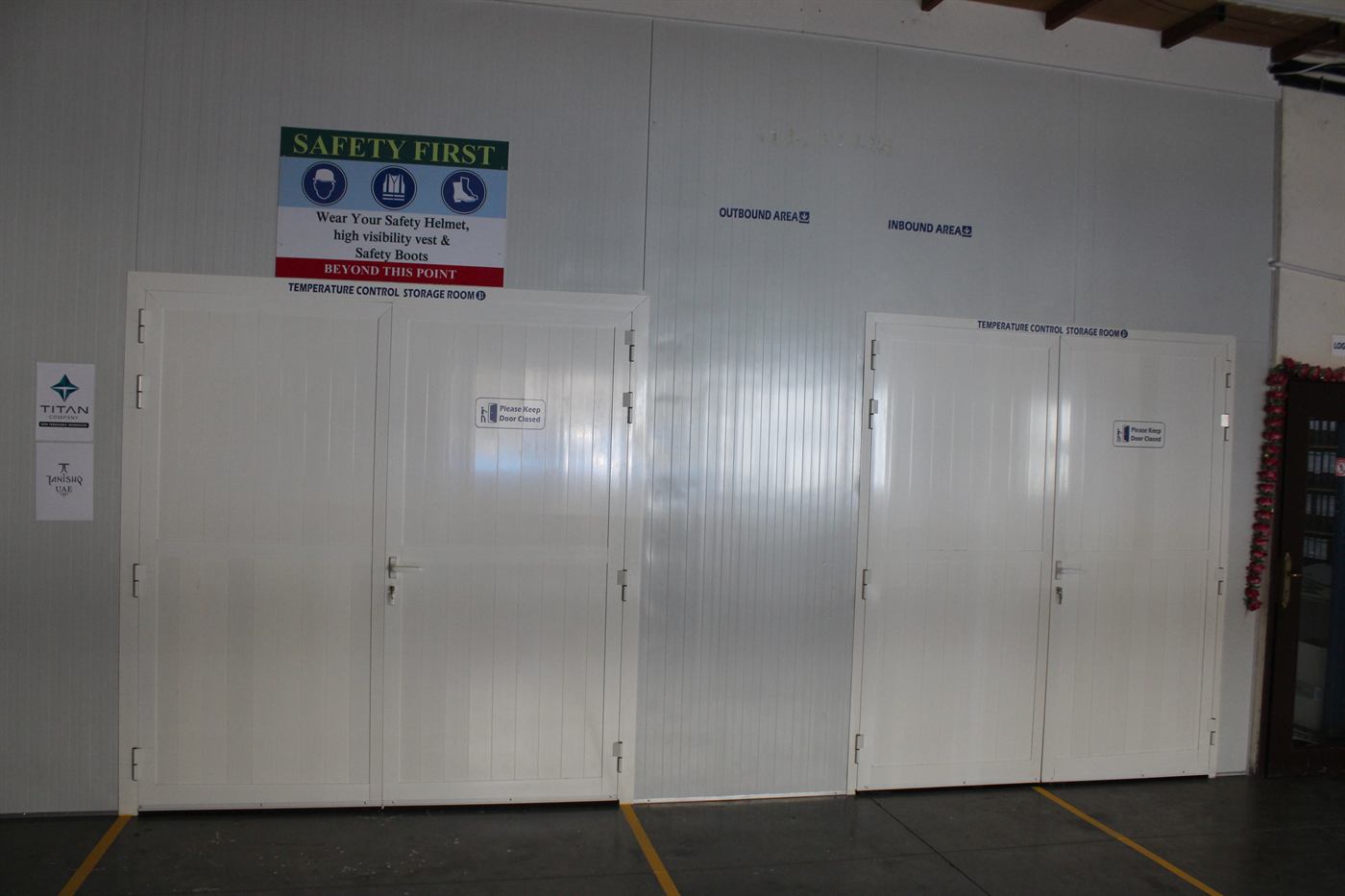
Temperature-controlled vs standard warehouse storage
Most businesses do not need to keep every product in a controlled room. The comparison below shows how the two options generally differ, so you can decide which stock belongs where.
| Factor | Standard (ambient) storage | Temperature-controlled storage |
|---|---|---|
| Environment | Protected from weather; internal conditions can vary | Managed to suit the agreed product requirements |
| Suited to | Durable goods, hardware, homeware, most packaged items | Cosmetics, perfumes, supplements and other sensitive stock |
| Cost | Generally lower per unit of space | Generally higher, reflecting equipment and energy use |
| Planning | Simple storage by pallet or shelf location | Product requirements reviewed and agreed before storage |
| Handling | Standard receiving and dispatch flow | Goods moved into the controlled area promptly after receiving |
A common approach is to split stock: keep sensitive lines in a controlled room and the rest in standard warehouse storage. That way you only pay for controlled space where it adds real value. Our guide to warehouse storage in Dubai covers the ambient side in more detail.
What to ask a provider before you store sensitive stock
Not every “cool room” offers the same level of control, and not every provider works the same way. Use this checklist when comparing options for temperature-controlled storage in Dubai:
- Product requirements: how will the provider review your product’s storage needs, and how are the agreed conditions recorded?
- Monitoring: how are conditions checked, and can you see records if you need them?
- Power interruptions: what happens if there is an outage or equipment fault?
- Receiving flow: how quickly do goods move from the loading area into the controlled room?
- Picking and packing: where are orders prepared, and how long does stock spend outside the room?
- Inventory control: is stock scanned at receiving, put-away and picking so you always know what is where?
- Security: is there CCTV monitoring and controlled access to storage areas?
- Insurance: confirm with your own insurer what cover applies to stock held at a third-party warehouse.
- Fulfilment and delivery: can the same provider handle orders and delivery, or will stock need to move again?
For a wider view of what to compare, read how to choose the right warehouse and fulfilment partner in Dubai.
Planning tips to protect product quality end to end
Controlled storage is most effective as part of a joined-up plan. A few practical habits make a big difference:
- Share the manufacturer’s guidance. Send your provider the storage instructions for each product so requirements are agreed up front, not guessed.
- Segregate by need. Flag which SKUs require controlled storage in your product data so they are routed correctly at receiving.
- Track batches and expiry dates. For products with a shelf life, dispatch older stock first and review slow movers regularly.
- Plan the delivery leg. Think about packaging and dispatch timing so products are not left in hot vehicles or doorways for longer than necessary.
- Inspect returns. Check returned items before they go back into sellable stock, especially if they have been in transit for a while.
Good inventory management supports all of these, because accurate stock records make batch rotation and segregation much easier to run day to day.
How Enthusiasm 3PL handles temperature-controlled storage
Enthusiasm 3PL has operated as a warehousing company since December 2016 from our warehouse in Al Quoz Industrial Area 2. Alongside racked and palletised storage, we offer temperature-controlled storage rooms for products that need a more stable environment.
Because every product is different, we review your requirements and agree them with you during quotation rather than offering a one-size-fits-all setting. Stock is barcode-scanned at receiving, put-away and picking, and the site has 24/7 CCTV monitoring, controlled areas and fire safety equipment.
The same team can also pick, pack and label your orders through our e-commerce fulfilment service, prepare B2B orders, and deliver with our own trucks — so sensitive stock does not have to move between multiple providers. Onboarding follows a simple path: inquiry, quotation, documentation, account setup and start.
Frequently asked questions
Do I need temperature-controlled storage for all my products?
Usually not. Most businesses keep only their sensitive lines in a controlled room and store the rest in standard racked or palletised space. Check each product’s manufacturer guidance to decide.
What temperature will my products be stored at?
That depends on the product. We review your product requirements and agree storage conditions with you during quotation, rather than applying a single fixed setting to every client.
Can I store pharmaceuticals or food in a controlled room?
Medicines, food and health products can carry specific regulatory requirements. Check with the relevant authority first, then discuss your products with us so we can confirm whether our setup suits them.
Can stored stock be fulfilled directly to customers?
Yes. Stock held at our Al Quoz warehouse can be picked, packed and dispatched for e-commerce or B2B orders, with delivery available on our own trucks.
Final thoughts
Temperature-controlled storage in Dubai is a practical way to protect sensitive stock from the region’s heat and to reduce the hidden cost of damaged products, returns and poor reviews. The key is to match storage to each product’s real requirements, ask providers clear questions, and keep storage, fulfilment and delivery as joined-up as possible.
Have products that need a stable environment? Tell us what you sell, how much stock you hold and the manufacturer’s storage guidance, and we’ll review your requirements. Request a quote.