

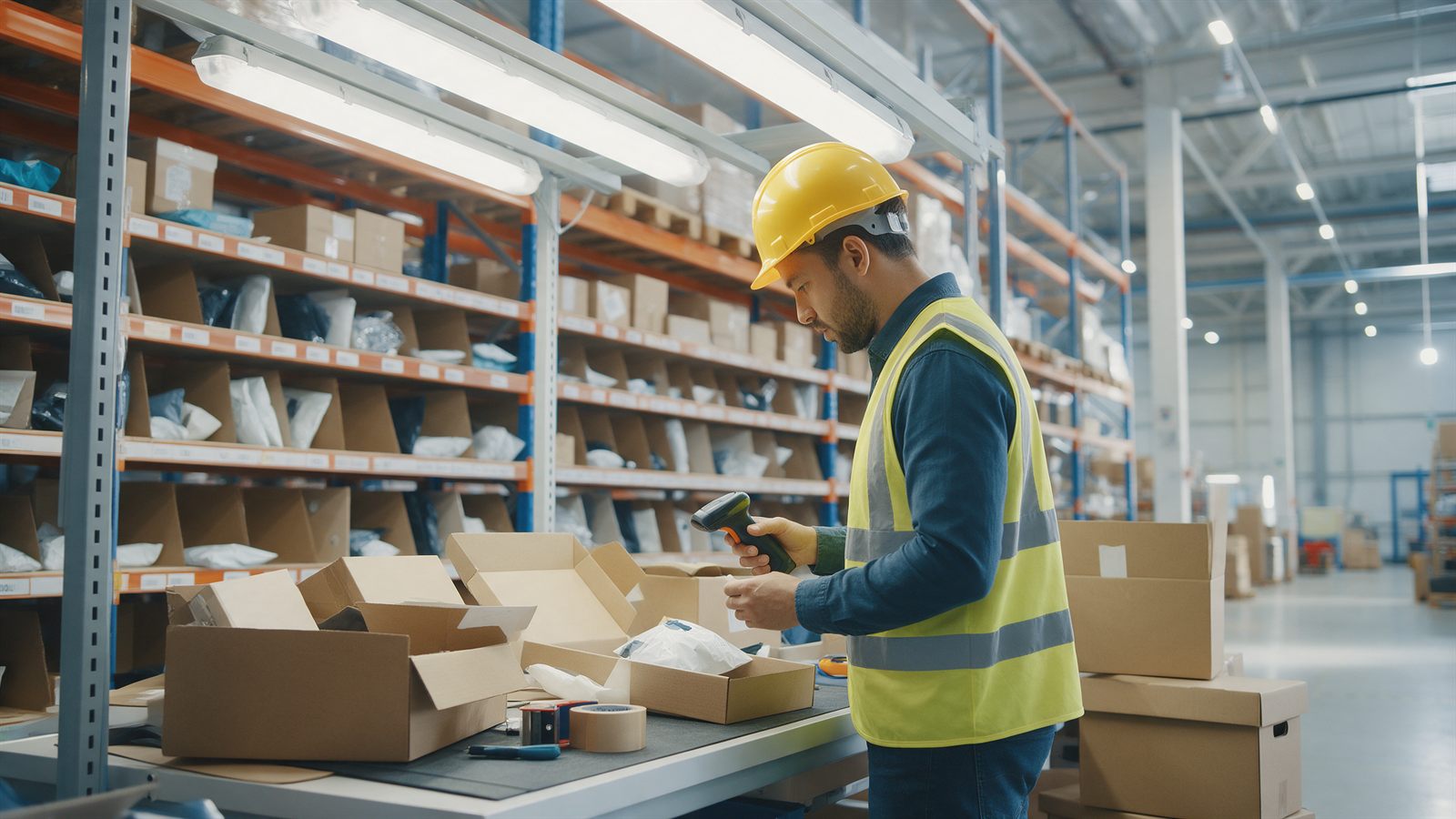
Returns are part of selling online. Customers change their minds, sizes do not fit, and items are sometimes damaged on the way. How you handle those parcels decides whether returned stock goes back on sale or quietly becomes a loss. That is the job of reverse logistics in the UAE: bringing goods back, checking them and deciding what happens next.
This guide walks through a practical returns process, from the moment a parcel arrives at the warehouse to the records that help you spot recurring problems. It is written for e-commerce sellers, marketplace sellers and retailers who want returns handled consistently rather than case by case.
What reverse logistics covers
Reverse logistics is the flow of goods from the customer back to the seller. For most businesses it includes:
- Customer returns: unwanted, wrong-size or wrong-item orders sent back after delivery.
- Failed deliveries: parcels that could not be delivered and come back unopened.
- Damaged or faulty items: products that arrived broken or stopped working.
- Retailer returns: unsold or end-of-promotion stock returned by B2B customers.
Each type needs a slightly different check, but they all follow the same basic route: receive, inspect, decide, update stock and record.
A step-by-step returns process
1. Receiving
Returned parcels should be logged as soon as they arrive. Note the order or reference number, the date received and the condition of the outer packaging. If a parcel arrives visibly damaged, photograph it before opening.
2. Inspection
Each item is opened and checked against the original order. Is it the right product? Is it complete, with all accessories and inserts? Is the packaging intact, or has it been opened or used? Inspection criteria should be agreed in advance so every return is judged the same way.
3. Grading and decision
After inspection, the item is placed into a category. A simple grading system keeps decisions consistent and easy to report.
4. Stock update
Items that go back on sale are scanned into a storage location so your available stock is accurate. Items that cannot be resold are moved to a separate, clearly marked area so they are never picked by mistake.
5. Records and reporting
Every return should leave a record: what came back, why, what condition it was in and what happened to it. These records support refund decisions and help you find patterns.
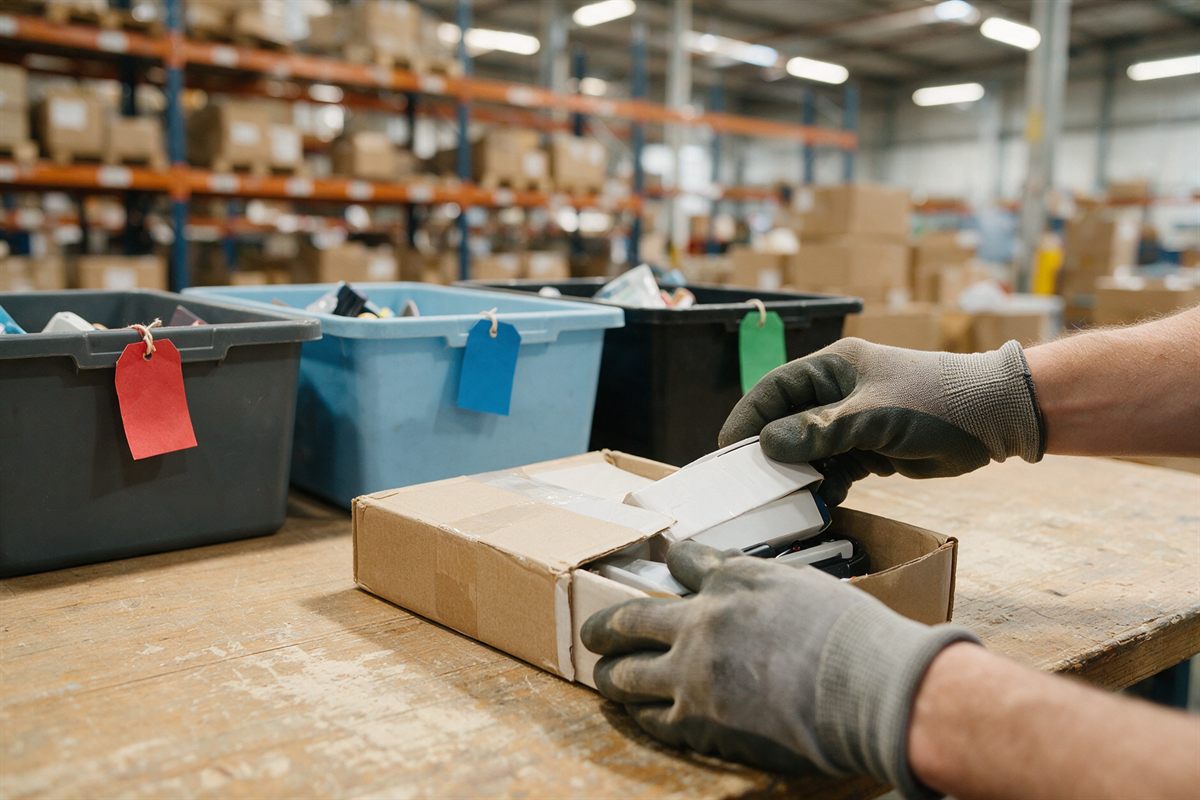
Restock or set aside? A simple grading guide
The table below shows a common way to grade returns. Your own categories may differ by product type, so agree them with your 3PL during onboarding.
| Condition | Typical description | Usual action |
|---|---|---|
| Unopened | Original packaging sealed and undamaged | Restock as sellable |
| Opened, as new | Packaging opened, product complete and unused | Restock, repack or set aside, based on your policy |
| Packaging damaged | Product fine but box or seal damaged | Repack or set aside for your decision |
| Used or incomplete | Signs of use, or parts missing | Set aside for your review |
| Damaged or faulty | Product broken or not working | Quarantine and report; dispose or return to supplier on your instruction |
For hygiene-sensitive products such as cosmetics and fragrances, many brands choose not to resell opened items at all. That is a business and regulatory decision, so make it clear in your instructions and check any rules that apply to your category with the relevant authority.
Reverse logistics in the UAE for marketplace sellers
If you sell on Amazon.ae or Noon, some returns may be handled by the marketplace’s own fulfilment network and others may come back to you or your 3PL. Return rules, timelines and removal options are set by each platform and can change, so check the latest guidance in Seller Central or the Noon seller portal.
What matters on your side is that returned stock which reaches your warehouse is inspected and recorded in the same way as returns from your own website. That gives you one consistent view of returned stock across channels. Our Amazon.ae seller storage and prep guide and Noon seller logistics guide cover the wider picture for each marketplace.
Setting a clear returns policy
A warehouse can only follow the rules you give it. Before returns start arriving, document your policy and share it with your logistics partner. Use this checklist:
- Return reasons: the reasons you accept, and how customers record them.
- Inspection criteria: what counts as resellable for each product type.
- Repacking rules: whether opened items can be repacked, and with what materials.
- Non-sellable stock: whether to hold, return to supplier, or dispose of it on your instruction.
- Reporting: how often you want returns reports and what they should include.
- Refund triggers: whether refunds wait for inspection results.
- Customer communication: who contacts the customer if a return is incomplete or not as described.
Your customer-facing returns policy must also follow UAE consumer protection rules. Check the current requirements with the relevant authority rather than relying on general advice.
Using returns data to improve your business
Returns records are more than paperwork. Reviewed regularly, they show which products, sizes or listings cause problems. A product that is often returned as “not as described” may need better photos or a clearer description. Frequent damage on arrival may point to weak packaging.
Good reverse logistics also protects your stock accuracy. When returns are scanned back into the right location, your available quantities stay reliable and you avoid overselling. Our inventory management tips for UAE businesses explain how this fits into wider stock control. Returns also rise after busy sales events, so build them into your peak season logistics plan.
How a 3PL supports returns
Handling reverse logistics in the UAE in-house takes space, time and a consistent process, which is hard to maintain when your team is focused on outbound orders. A 3PL can receive, inspect, sort and restock returns as part of your e-commerce fulfilment, following the rules you set.
At Enthusiasm 3PL, returns support is part of our e-commerce fulfilment and value-added logistics services. Stock is barcode-scanned at receiving, put-away and picking, and returned items can be repacked or relabelled where your policy allows. How returns are reported to you is agreed during onboarding.
Frequently asked questions
How long does it take to process a return?
It depends on the volume of returns, the inspection required and the agreed process. Discuss expected handling times with your 3PL when setting up the service.
Can returned items be repacked and sold again?
Often, yes, if the product is complete and undamaged and your policy allows it. Some categories, such as opened cosmetics, are usually not resold. The decision is yours.
What happens to items that cannot be resold?
They are kept separate from sellable stock and handled according to your instructions — for example, held for review, returned to the supplier or disposed of.
Do marketplace returns come back to my warehouse?
It depends on how the order was fulfilled and the platform’s current rules. Check the latest guidance in Seller Central or the Noon seller portal.
Final thoughts
Reverse logistics in the UAE does not need to be complicated, but it does need to be consistent. A clear process for receiving, inspecting, grading and recording returns keeps sellable stock moving, protects your inventory accuracy and gives you data to reduce future returns.
Want returns handled the same way every time? Tell us about your products, channels and returns policy and we will suggest a process that fits. Request a quote.