

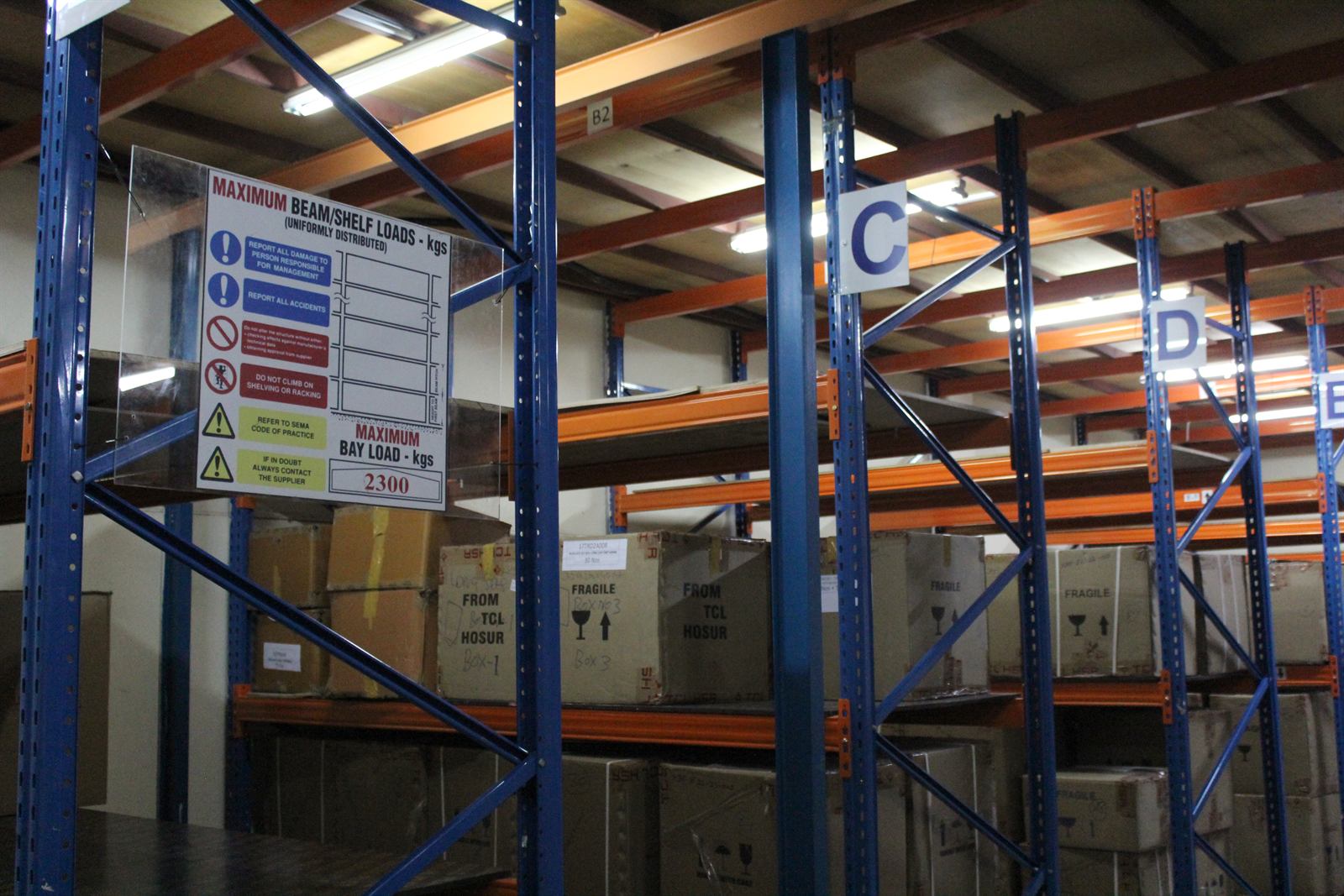
Many UAE brands start by selling in one way — either supplying retailers and distributors, or selling directly to consumers online. Sooner or later, most end up doing both. That is when the question of B2B vs B2C fulfilment becomes a practical one, because the two order types look very different on the warehouse floor.
This guide explains how business-to-business and business-to-consumer fulfilment differ, the signs that you need both, and how to run them from a single inventory pool without losing control of your stock. It is written for importers, distributors, retailers and e-commerce sellers across the UAE.
B2B vs B2C fulfilment: the basics
What is B2B fulfilment?
B2B fulfilment means preparing and delivering orders for other businesses: retailers, distributors, resellers, hotels, offices or project sites. Orders are usually larger, less frequent and shipped in full cartons or on pallets. They often follow a schedule, such as weekly replenishment for a retail chain, and may need specific paperwork or carton labelling agreed with the customer.
What is B2C fulfilment?
B2C fulfilment means preparing orders for individual consumers, typically from an online store or marketplace. Orders are smaller — often one or a few items — but arrive in much higher numbers and need to be picked as single units. Presentation matters too, because the parcel is the customer’s first physical contact with your brand.
Both share the same foundation: accurate receiving, organised storage and reliable stock records. The difference lies in how orders are picked, packed and delivered.
Key differences between B2B and B2C orders
The table below summarises how the two order types generally compare in day-to-day operations.
| Factor | B2B fulfilment | B2C fulfilment |
|---|---|---|
| Customer | Retailers, distributors, resellers, projects | Individual shoppers |
| Order size | Larger: full cartons, mixed cartons or pallets | Smaller: single units or a few items |
| Order frequency | Fewer orders, often scheduled | Many orders, arriving continuously |
| Picking | Carton or pallet picking, multi-SKU orders | Unit-level picking from shelf locations |
| Packing | Cartons and pallets, wrapped and labelled to customer requirements | Parcels and mailers, protective fill, inserts |
| Delivery | Truck delivery to stores, warehouses or sites | Courier or last-mile delivery to homes and offices |
| Paperwork | Delivery notes, purchase order references, customer-specific labels | Shipping labels, invoices, return instructions |
| Returns | Less frequent, often handled by agreement | More frequent, need a clear process |
When you need both B2B and B2C fulfilment
Running both channels is increasingly common. You probably need a setup that handles both if any of these sound familiar:
- You supply retailers or distributors and also sell through your own website.
- You sell on Amazon.ae or Noon while also delivering to shops, salons, hotels or offices.
- You run promotions or project deliveries alongside everyday online orders.
- Your B2B customers place scheduled replenishment orders while consumer demand changes day to day.
- You are an importer or brand distributor planning to launch a direct-to-consumer channel.
In each case, the risk is the same: if B2B and B2C stock is managed separately, it becomes hard to know how much you really have, and easy to oversell in one channel while stock sits idle in another.
Why one inventory pool makes sense
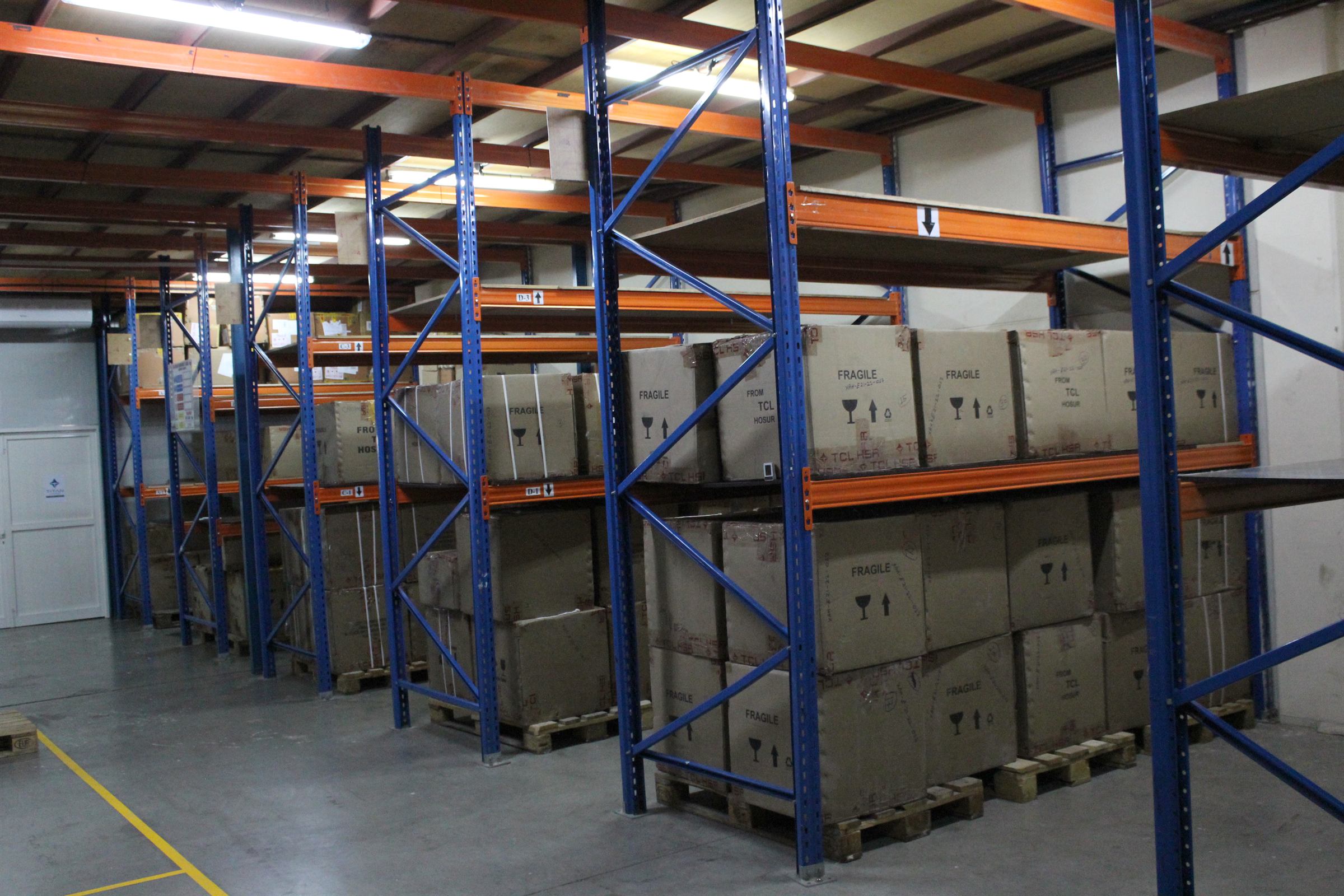
The simplest way to run both channels is to hold all stock in one warehouse and fulfil every order type from the same inventory. This approach has several practical advantages.
One accurate stock figure
When all stock sits in one place, scanned in and out against the same records, you have a single, reliable view of what is available. That makes it easier to decide how much to allocate to a retailer order versus your online store.
Less stock movement
Moving stock between a B2B warehouse and an e-commerce warehouse costs time and money, and every transfer is a chance for errors or damage. A single location removes those transfers.
Flexible allocation
Demand shifts. A promotion online may suddenly need more units, or a retailer may place a larger order than expected. With one pool, you can respond without waiting for stock to be moved.
Simpler marketplace replenishment
If you sell through Amazon.ae or Noon fulfilment centres, a reserve stock pool in Dubai lets you prepare replenishment shipments when needed while still serving your own store and B2B customers. Marketplace requirements change, so check the latest guidance in Seller Central or the Noon seller portal before preparing shipments.
The key to making this work is strong inventory management: clear SKUs, barcodes on every unit and carton, organised locations and regular counts. Our article on inventory management for UAE businesses covers these in more detail.
Choosing a 3PL for B2B vs B2C fulfilment
Not every provider is set up for both order types. Some focus on pallets and bulk distribution, others on small parcels. Use this checklist when comparing options:
- Can they handle full-carton, mixed-carton and multi-SKU B2B orders?
- Can they pick single units for e-commerce orders and pack them for consumers?
- Is all stock held in one location with one set of records?
- Do they scan barcodes at receiving, put-away and picking?
- Can they prepare products and cartons for Amazon.ae and Noon fulfilment centres?
- Do they offer labelling, repacking, bundling and returns handling?
- How is delivery handled — their own trucks, couriers or both?
- What reports will you receive on stock levels and orders?
For a broader guide, see how to choose the right warehouse and fulfilment partner in Dubai.
How Enthusiasm 3PL supports both channels
Enthusiasm 3PL has operated as a warehousing company since December 2016 from Al Quoz Industrial Area 2, Dubai. Our 3PL services are designed so B2B and B2C orders can be served from the same stock.
For trade customers, our B2B fulfilment covers full-carton, mixed-carton and multi-SKU orders, retailer replenishment, scheduled dispatch, and promotional and project stock, with delivery on our own trucks. For consumers, our e-commerce fulfilment service handles picking, packing, labelling, hand-over for delivery and returns support.
We also support Amazon.ae and Noon sellers with product and carton preparation and fulfilment-centre appointment and dispatch coordination, as an independent 3PL not affiliated with either marketplace. Brands whose stock we handle include Sonos, Crestron and Titan.
Frequently asked questions
What is the main difference in B2B vs B2C fulfilment?
B2B orders are larger and less frequent, usually shipped in cartons or on pallets to businesses. B2C orders are smaller and more frequent, picked as single units and packed as parcels for individual customers.
Can one warehouse handle both B2B and B2C orders?
Yes, if the provider has processes for both carton-level and unit-level picking. Holding all stock in one place also gives you a single, accurate view of inventory across channels.
Do I need separate stock for my online store and retailers?
Not necessarily. Many businesses use one inventory pool and allocate stock to each channel as orders arrive. This reduces transfers and makes stock levels easier to manage.
How do I get started with Enthusiasm 3PL?
Onboarding follows five steps: inquiry, quotation, documentation, account setup and start. You can contact us or message us on WhatsApp to begin.
Final thoughts
B2B vs B2C fulfilment is less about choosing one or the other and more about running both well. The order types differ in size, packing and delivery, but they rely on the same foundation: accurate stock, organised storage and dependable processes. Keeping everything in one inventory pool, with a provider set up for both, is often the simplest way to grow across channels without losing control.
Selling to businesses and consumers? Tell us about your channels, SKU count and order volumes and we’ll prepare a proposal that covers both. Request a quote.