

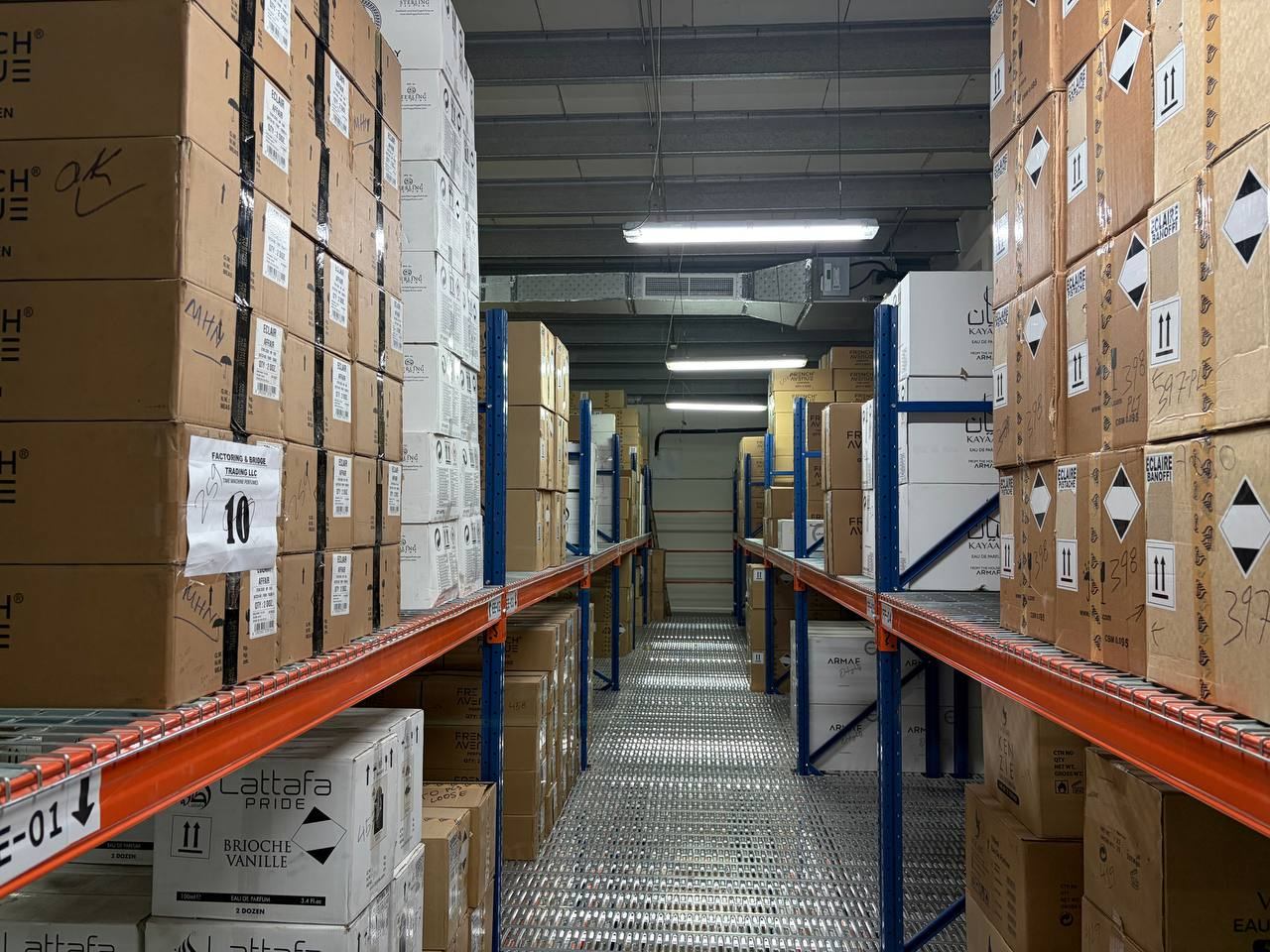
When you hand your stock to a warehouse, you are trusting someone else with a large part of your business’s value. Before signing an agreement, it is worth checking that you are choosing a secure warehouse in Dubai — not just a space with racking and a roller door.
This checklist covers the practical things to look at during a site visit or conversation with a provider: CCTV, access control, safety equipment, fire safety, inventory controls and insurance. It applies whether you are an e-commerce seller, an importer or a distributor.
Why a secure warehouse in Dubai matters
Security is not only about theft. Stock can be lost through damage, fire, mishandling or simple record-keeping errors. A well-run warehouse reduces all of these risks through a combination of physical security, safe working practices and accurate inventory processes.
Security also affects your customers. If stock goes missing or is damaged, orders are delayed, marketplace performance can suffer and you spend time on claims instead of selling.
A secure warehouse in Dubai should be able to explain its security measures clearly and answer your questions without hesitation. If the answers are vague, keep looking.
Warning signs to watch for
- No visible cameras or safety signage at entrances and loading areas
- Visitors walking freely into storage aisles without supervision
- Blocked walkways, damaged racking or stock stored on the floor in exit routes
- No clear process for receiving, recording and counting stock
- Unclear answers about insurance, liability or how claims are handled
CCTV and access control
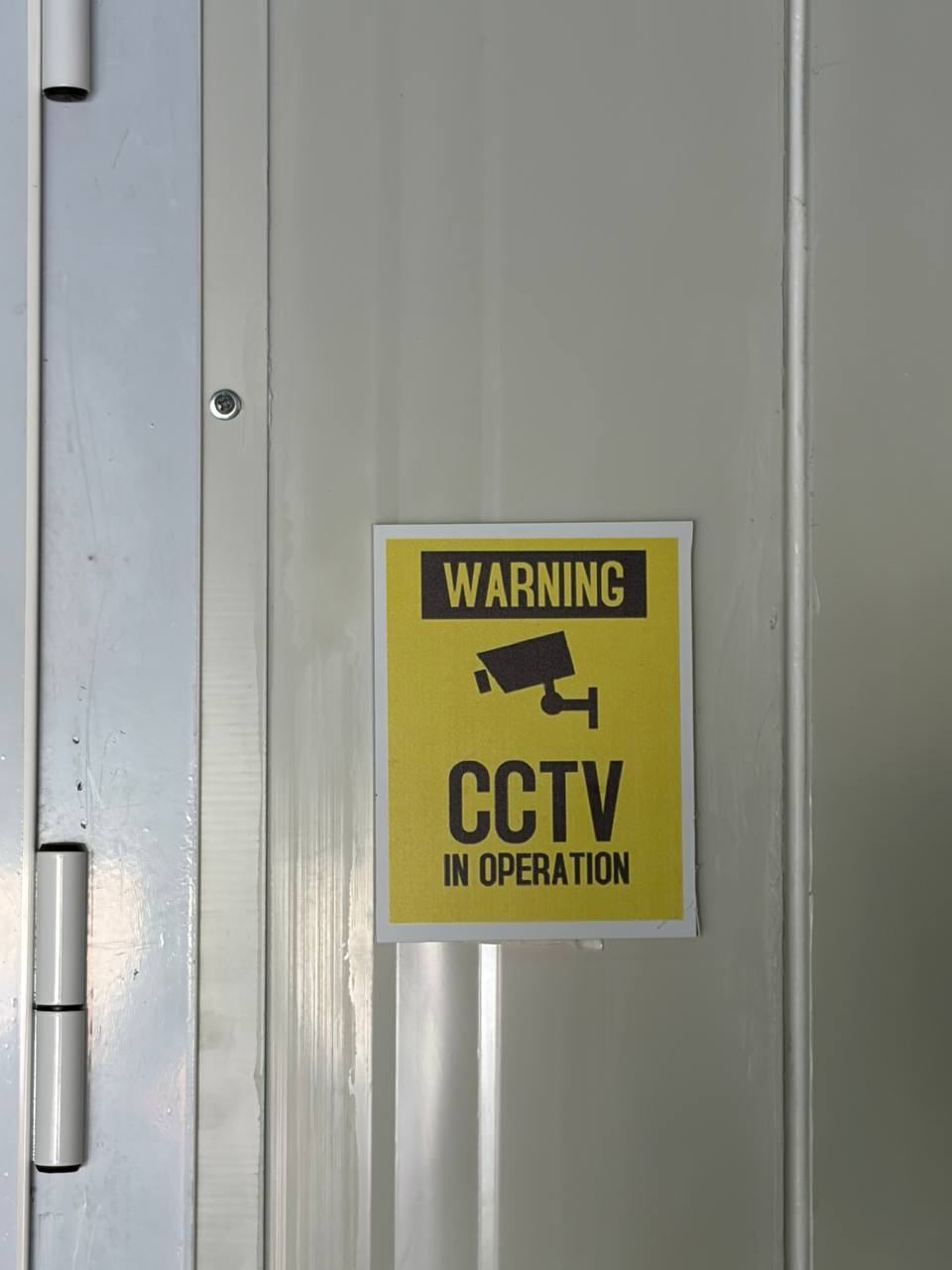
Cameras are the most visible sign of security, but the details matter. Ask how the system is used, not just whether it exists.
Questions to ask about CCTV
- Is the facility monitored around the clock?
- Do cameras cover entrances, loading areas and storage aisles?
- How long is footage kept, and can it be reviewed if there is an issue?
Questions to ask about access
- Who is allowed into storage areas, and how are visitors managed?
- Are there controlled areas separated from general office or reception space?
- How are drivers and couriers handled at the loading area?
At our Al Quoz warehouse, the facility has 24/7 CCTV monitoring, safety signage and controlled areas for stored goods.
Safety equipment, PPE and signage
A safe warehouse is usually a secure one. When staff work carefully and follow clear rules, stock is handled properly and accidents that damage goods are less likely.
- PPE: warehouse staff should wear appropriate protective equipment, such as helmets, high-visibility vests and safety boots.
- Signage: look for clear safety signs, load signs on racking and marked walkways.
- Racking condition: racks should be in good condition, with pallets stored neatly and not overhanging.
- Housekeeping: clean, tidy aisles are a good sign of a well-managed operation.
These are easy to check during a visit. If a provider is reluctant to show you the storage area, treat that as a warning sign.
Fire safety
Fire is one of the most serious risks to stored goods, especially for products such as perfumes, aerosols or electronics. Ask the provider to walk you through their fire safety arrangements.
- Are fire extinguishers available and visible throughout the facility?
- Is fire safety signage clearly displayed, including exit routes?
- Are walkways and exits kept clear of stock?
- Are there rules for storing products that need special handling?
For regulatory requirements that apply to your specific products, check with the relevant authority or a qualified safety adviser. Heat-sensitive items may also benefit from temperature-controlled storage, with requirements reviewed and agreed during quotation.
Inventory controls as a security measure
Good inventory processes are one of the strongest security tools a warehouse has. If every movement is recorded, missing stock is noticed quickly and can be traced.
| Control | What to look for | Why it matters |
|---|---|---|
| Receiving checks | Stock scanned and checked against documents on arrival | Shortages are flagged before they become your problem |
| Location tracking | Each item recorded to a specific storage location | Stock can be found and counted easily |
| Scanned picking | Items scanned as they are picked for orders | Wrong or missing items are caught early |
| Regular counts | Cycle counts and investigation of differences | Discrepancies are found while they can still be traced |
| Stock reports | Clear reports you can access and review | You can verify your stock independently |
Our inventory management uses barcode scanning at receiving, put-away and picking. For more on building these habits, see our inventory management tips for UAE businesses.
It also helps to ask how the warehouse handles outbound orders. Scanned picking, packing checks and documented hand-overs to couriers or your own delivery partners create a clear record of when stock left the building. If you use a provider for pick and pack, ask how a missing-item complaint would be investigated.
Insurance questions to ask
Insurance is an area where assumptions cause problems. Never assume your stock is covered just because it is in a professional warehouse. Ask the provider and your own insurer directly, and get the answers in writing.
- What does the warehouse’s own insurance cover, and what does it exclude?
- Does your business need its own policy for stock in storage and in transit?
- How are claims for damage or loss handled, and what evidence is needed?
- Is the value of your stock declared, and how is it calculated?
Speak to a licensed insurance adviser about the right level of cover for your products. Confirm the position before your stock arrives, not after an incident.
Frequently asked questions
Should I visit a warehouse before storing stock there?
Yes, if you can. A visit lets you see CCTV coverage, safety equipment, housekeeping and how goods are stored. It is much harder to judge security from a brochure.
Is CCTV enough to make a warehouse secure?
No. CCTV is important, but it works best alongside controlled access, trained staff, fire safety and accurate inventory records.
Who is responsible if my stock is damaged in storage?
That depends on your agreement and insurance arrangements. Check the contract terms carefully and confirm cover with the provider and your own insurer.
How can I check my stock levels remotely?
Ask your provider what stock reports they offer and how often. Regular reports let you compare warehouse records with your own sales data.
Final thoughts
Choosing a secure warehouse in Dubai means looking beyond the rent. Check CCTV and access control, safety and fire arrangements, inventory processes and insurance cover before you move your stock. Enthusiasm 3PL has operated as a warehousing company in Al Quoz Industrial Area 2 since December 2016 — for a wider view, read our guide on how to choose the right warehouse and fulfilment partner, or explore our warehouse storage options.
Looking for secure storage for your stock? Share your products and storage needs, ask us about our security and safety setup, and we’ll prepare a proposal. Request a quote.